
-
What a Difference a Little Color Makes!
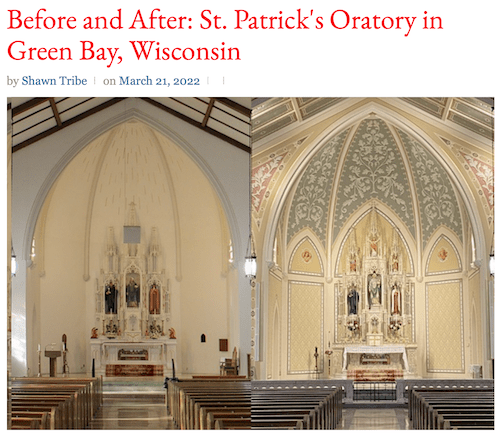
Here’s an another great example, by the way of the Liturgical Arts Journal, of how restoring color to our Catholic churches can make such a big difference. This is from St. Patrick’s Oratory in Green Bay, Wisconsin. As we’ve learned watching the videos by Denis McNamara, returning beauty to our church buildings is not just about making things pretty—it helps churches fulfill their role of making Heaven present to us.
-
Art Spotlight: “The Annunciation” by Murillo

“The Annunciation,” Bartolome Esteban Murillo, ca. 1660 -
Catholic Architecture, Part 10: Vatican II
All things are set apart for use in divine worship should be truly worthy, becoming, and beautiful signs and symbols of heavenly realities.
Sacrosanctum concilium, 22In this tenth and final episode, Dr. McNamara looks back at the Second Vatical Council and makes a claim that may surprise many people (except those who follow this blog!). Namely, that a careful reading of the documents of Vatican II reveals the traditional nature of the Council.
(more…) -
Art Instruction for Kids
Children are naturally interested in making art, and of course this should be encouraged. In fact, basic art skills such as drawing should be a part of a well-rounded education. Many well-known artists first learned to draw in school.
Catholic artist David Clayton provides a valuable perspective on art education for kids (or anyone, for that matter):

-
“Ave Verum Corpus”
The Communion meditation sung by our choir this Sunday was the motet Ave Verum Corpus by English composer William Byrd. This is a Eucharistic hymn that is also very fitting for the Transfiguration and the season of Lent. Listen to a recorded version below.
(more…) -
Catholic Architecture, Part 9: Heaven and Architecture
…Heaven in stone and glass.
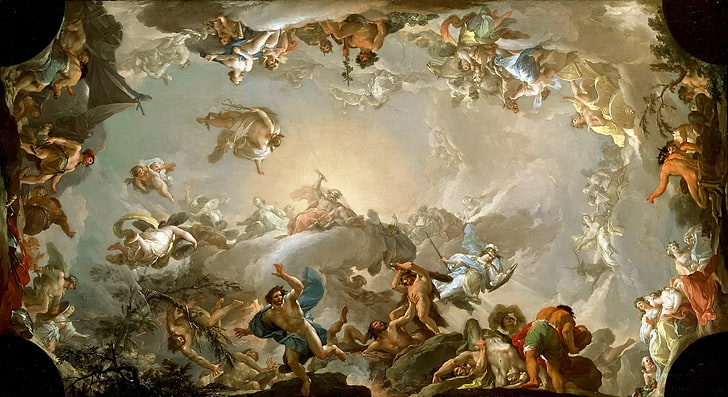
In this ninth video in the series, Dr. McNamara describes how a church building should be a reflection of Heaven, a foretaste of our future in Glory in the presence of God. He paraphrases an unnamed saint who said something to the effect of, “A church is an earthly Heaven, where Christ walks about with us.” But what does this look like?
(more…) -
Illuminated Altar Cards
For something a little different, here is a link to an article in the Liturgical Arts Journal on hand-made altar cards, created by Pelican Printery House in Lincoln, Nebraska. For those not familiar with altar cards, these are the cards that are framed and placed on the altar, containing some key Mass texts for the priest to refer to during the celebration of the Extraordinary Form of the Mass. It’s wonderful to see this kind of art still being made today.
https://www.liturgicalartsjournal.com/2022/03/the-lost-art-of-hand-made-altar-cards.html
-
“Anima Christi” by Fr. Marco Frisina
If you were at our beautiful Ash Wednesday Mass, you heard the choir perform a setting of Anima Christi by Fr. Marco Frisina (listen to a recording below). You don’t find many contemporary composers of classical sacred music, much less priest-composers. Read more about him here and check out the rest of his website (he also does opera and film scores!).
-
Catholic Church Architecture, Part 8: Rediscovering Liturgical Images
How come churches don’t look like they used to look when I was a kid?
Last week, we saw how the use of sacred images in churches has waned over the past half-century or so, and why it’s important to rediscover them, as they are a legitimate part of the liturgy itself. In Part 8 of the series, Dr. McNamara draws our attention specifically to liturgical images, and explains why the good intentions of liturgical reformers ultimately resulted in the beige, sterile church environments we often encounter today. He goes on to
distinguish liturgical images from the other types of sacred images (devotional and historical) and calls for the return of images to their rightful place in the liturgical space.
-
“Liturgy Wars”: Isn’t There a Better Way?
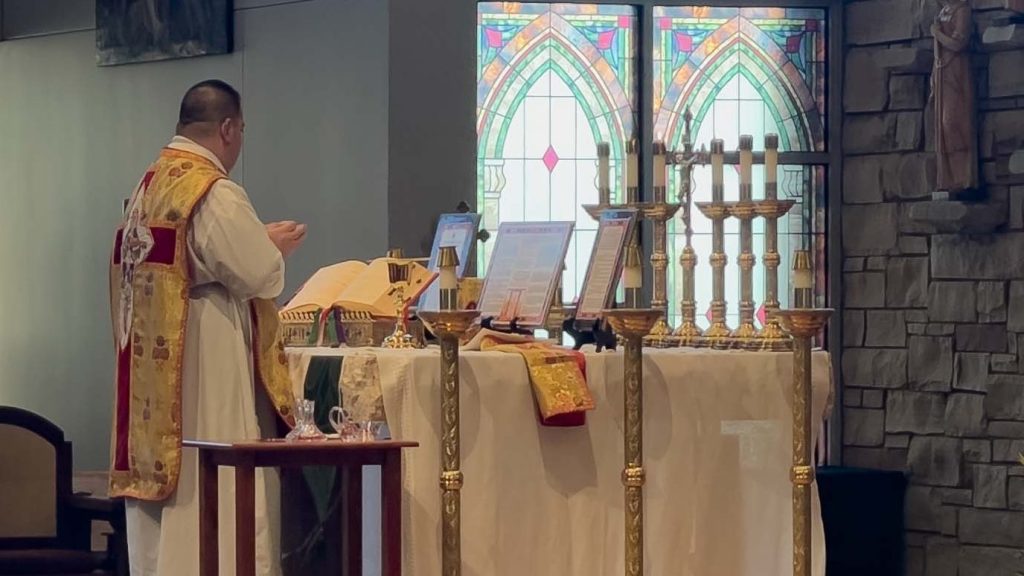
The article from The Catholic Thing linked at the bottom provides an interesting perspective on the ongoing conflict over the two forms of the Latin Rite Mass, a conflict sometimes referred to as “the Liturgy Wars.”
This unfortunate battle involves a small but vociferous minority of Catholics who have only hardened their positions since Pope Francis issued Traditionis custodes. Whether you’re a partisan in these “wars,” or merely a bemused bystander, we should be able to agree on one thing: this is NOT the way forward for Christ’s Holy Church.
(more…)
Home
1–2 minutes

